Your New Home Survival Guide

Your New Home Survival Guide: Maintenance Tasks You Can’t Skip

Buying Your First Home

Buying your first home is an exciting milestone—but it also comes with a new level of responsibility. Beyond decorating and settling in, every homeowner must learn the rhythms of regular upkeep to protect their investment. Neglecting maintenance can turn small issues—like a clogged gutter or faulty outlet—into expensive repairs down the line. The good news? With a simple plan and a few smart habits, you can keep your home safe, efficient, and worry-free for years to come.

Quick Summary

First-time homebuyers often underestimate the ongoing maintenance that keeps a house safe and efficient. Check your roof, plumbing, HVAC, and electrical systems regularly, stay ahead of seasonal maintenance, and track your upgrades.

Common Blind Spots in a New Home

Owning your first home feels thrilling — until the first leak, hum, or creak turns up. Routine maintenance isn’t glamorous, but it’s what separates a comfortable, valuable home from a money pit.

Five Common Oversights:

  • Forgetting to clean gutters → water damage risk
  • Neglecting HVAC filters → reduced efficiency
  • Ignoring caulking around windows → drafts and higher bills
  • Skipping roof inspections → hidden leaks multiply
  • Postponing electrical inspections → safety hazards

Seasonal Home Upkeep

Season Task Why It Matters
Spring Clean gutters and downspouts Prevent basement leaks and foundation issues
Summer Inspect deck, repaint exterior Protect surfaces from UV damage
Fall Service furnace, inspect chimney Ready your heating system for winter
Winter Check insulation and pipes Avoid freezing and energy loss

Keeping Your Home’s Electrical System Safe and Sound

Electricity quietly powers everything in your home—but small issues can turn dangerous fast. Scheduling regular inspections ensures your wiring, panels, and circuits remain safe and efficient. When you hire a licensed electrician, confirm that they’re using professional-grade electrical tools — this guarantees code-compliant, reliable work that keeps your system efficient and hazard-free.

How-To: The 5-Minute Monthly Check

Your Mini Maintenance Ritual:

  1. Walk your property perimeter; note cracks or drainage issues.
  2. Open and close all windows once—sticky frames signal humidity or swelling.
  3. Test smoke and carbon monoxide detectors.
  4. Flush unused drains with hot water.
  5. Peek at your attic for signs of leaks or pests.

It’s five minutes that can save you a five-figure repair.

Protecting Curb Appeal and Value

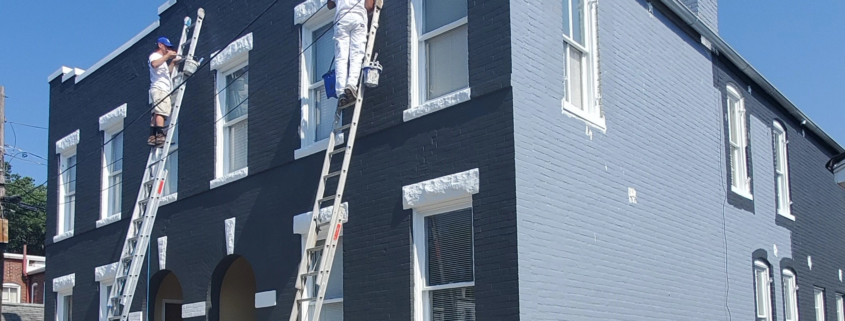
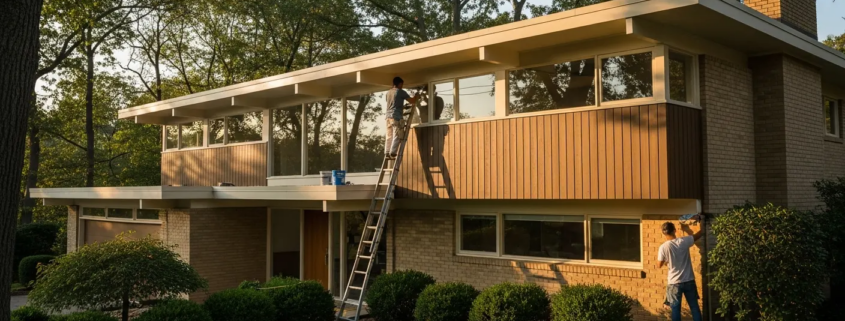
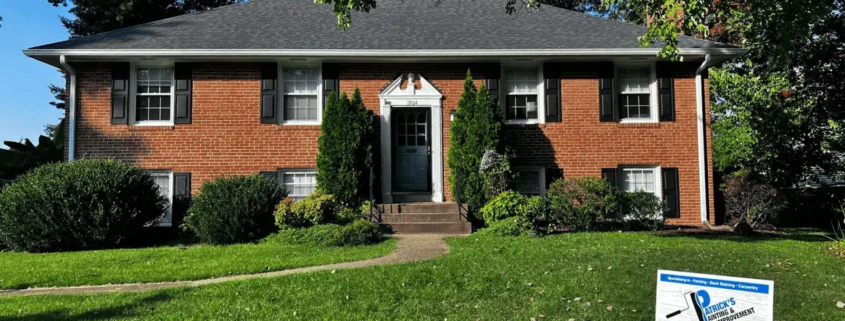
A home’s first impression speaks volumes about its care. Regular painting and upkeep not only prevent weathering but also elevate resale potential. Professional services like Patrick’s Painting provide expert interior and exterior painting, deck staining, and pressure washing — ideal for keeping your investment protected and attractive for years.

Product Spotlight

Every homeowner has that one “oops” moment — hanging a shelf, missing a stud, and leaving a crater behind. A stud finder from Franklin Sensors saves you from that. It’s a small, one-time investment that prevents major patchwork later.

Homeowner Questions

  • Q1: How often should I service my HVAC?
    A: Twice yearly — before heating and cooling seasons.
  • Q2: What’s the lifespan of a roof?
    A: Typically 20–25 years, but check after major storms.
  • Q3: Is DIY electrical work okay?
    A: Not usually. Minor swaps are fine, but inspections and rewiring should be left to pros using certified tools.
  • Q4: How can I tell if my home needs insulation updates?
    A: Uneven room temperatures and high bills are clear indicators.

Real-World Home Maintenance Rhythm

  • Every 3 months: Change HVAC filters and test safety alarms.
  • Every 6 months: Deep-clean gutters, check for leaks, and inspect your HVAC system.
  • Every year: Service plumbing, electrical, and exterior paint.

Homeownership is a marathon, not a sprint. With a bit of consistency and professional help where it counts, your home will remain safe, efficient, and valuable for decades. Small tasks now equal peace of mind later — and maybe fewer frantic Google searches at midnight.

Curtis Fisher

tradesbright.org

Patrick Coye Zebra News Alexandria Virginia

Owner Patrick Coye featured on Zebra.org

Coye started his construction firm in 2007 while studying at NOVA and boxing. After a 2013 pro‑fight win he quit boxing to protect his health and focus on a future.

Joining the Painting Contractors Association opened mentorship in sales, marketing, and project management. In 2019 he earned a Goldman Sachs “10,000 Small Businesses” scholarship and quit drinking, which he says “rewired” his life.

Now he runs a team of sales reps, a project manager, office staff, and a virtual assistant, while staying active in the Rotary Club and competing in triathlons.

“We treat every job like a chance to earn your trust for life.”

Read more: thezebra.org

Modern Outdoor Makeovers: Decks, Driveways, and Design Ideas for 2026

It’s hard to believe, but we are well into the 4th quarter of 2025. For some, this means that holiday travel plans and Black Friday shopping are just around the corner. But for the home improvement enthusiast, it’s a chance to peep the design trends that are set to take center stage in the year to come. From next-level decking to high-drainage driveways, keep reading as we dive into some of the top exterior design ideas for 2026!

Statement Decking

In case you hadn’t heard: functional exteriors are a thing—a big thing. Modern homeowners want outdoor spaces that effectively extend their indoor square footage, offering a change of scenery, a breath of fresh air, and new ways to use their property. A deck is no longer just a makeshift attachment on the side of the house. It must be a carefully cultivated space that invites occupants to spend time outdoors. Look for decking that is both stunning and low-maintenance. This promotes aesthetics while ensuring ongoing safety in diverse weather conditions. Options such as composite boards, robust ipe, and sustainable bamboo decking are some of the top materials to look for in 2026.

Native Plant Landscaping

Who doesn’t love an exterior infused with color? Unfortunately, the perfectly manicured lawn and bed of roses ideal can be quite the water pit for some properties. Despite the beauty, it simply does not align with modern sustainability sensibilities. Limit these concerns by choosing native plant landscaping in 2026. Native plants will thrive in local conditions and require less water and maintenance than non-native species. They also support pollinators and local wildlife, making your outdoor area part of a healthier local ecosystem.

Outdoor Kitchens

Ten years ago, an outdoor kitchen might have been considered “extra.” Fast forward to 2026, and it is an exterior feature that more homeowners are actively seeking. The benefits of cooking outdoors are numerous: invigorating natural light, less work for cleaning spills, and no tripping the smoke alarm if the pan gets a little too hot (ha!). When building an outdoor kitchen, durability is key. The space must withstand moisture and hold up to UV exposure. Stainless steel appliances are a nearly indestructible choice, while engineered quartz and natural quartzite countertops offer moisture resistance. Consider low-maintenance PVC cabinetry instead of wood.

Resilient Materials

Extreme weather events are a fact of life in the era of climate change. Rampant wildfires and unexplained hail mean that homeowners must expect the unexpected when designing their outdoor spaces. This makes resilient materials a top priority. Composite products, such as engineered patio tiles, are notable for their durability. Adequate drainage solutions, like robust gutter systems and strategically-placed slot drains, can help keep surprise deluges from wrecking your outdoor areas.

Stunning Railings

The role of railings is rapidly evolving in exterior design. Traditionally seen as a utilitarian feature for securing decks, modern railings now contribute to overarching design sensibilities. While well-maintained wood or wrought iron options are still viable, contemporary railings often showcase sleek elegance. Materials such as glass and stainless steel cable are perfect for homeowners who want a durable option that does not inhibit exterior views. Lighting is another important consideration. To enhance aesthetics after dark, some homeowners are building rails that incorporate innovative handrail LED lighting, ensuring consistent illumination for a clean twilight aspect.

Gravel Driveways

Concrete driveways offer a clean, classic appearance leading up to the home, but they can become a maintenance headache over time. Concrete is porous, making it susceptible to stains and cracking during freeze/thaw cycles. Sealing surfaces each year can help, but who has the time? As such, more homes are adopting modern gravel driveways. This driveway style uses a series of interlocking substrate pavers that hold surface aggregate in place, eliminating the shifting concerns inherent to traditional gravel driveways. It also leverages the natural drainage benefits of gravel to maintain a consistent appearance amid precipitation and runoff.

Impactful Exterior Makeovers to Look for in the Year Ahead

The year is rapidly coming to an end. Now is the perfect time for home improvement enthusiasts to get a leg up on the design trends set to shine in 2026. From stunning decking to stone driveways, explore the renovations listed above to help your exterior stand out in the upcoming years.

Andrew Wesley

Andrew Wesley is a freelance writer that loves sharing his knowledge and expertise on painting projects and materials. He lives in Atlanta, Georgia where he enjoys spending time with his wife and working on projects in his spare time. Andrew’s work as a freelance writer can be found on Building Product Advisors, a new construction industry resource launching in Fall 2022.

Strategies for Managing Home Maintenance Costs

Smart Strategies for Managing Home Maintenance Costs: A Homebuyer’s Guide to Long-Term Savings

When it comes to owning a home, one of the most overlooked aspects is planning for maintenance costs. Homebuyers often focus on the purchase price and monthly mortgage payments but fail to account for ongoing upkeep. Unfortunately, this can lead to unexpected repairs and surprise expenses that can strain your finances. Understanding how to estimate, budget, and prepare for these costs is essential for maintaining your home’s value and ensuring its longevity. In this article, we’ll guide you through the process of planning for home maintenance, offering tips and strategies to help you set a realistic budget and avoid costly mistakes.

Estimating Home Maintenance Expenses

Estimating your home maintenance expenses is the first step in building a budget that works for you. The general rule of thumb is to set aside 1% to 4% of your home’s value each year for maintenance. For instance, if your home is worth $300,000, you should budget between $3,000 and $12,000 annually for maintenance. However, this can vary depending on the age, size, and condition of your home. To make this process easier, use a home maintenance cost calculator to get a more tailored estimate based on your specific situation. This tool allows you to enter details about your home’s condition and expected repairs, offering a clearer picture of what to expect over the long term.

Setting a Realistic Maintenance Budget

Once you’ve estimated your maintenance expenses, the next step is to create a realistic budget. Start by identifying the key areas of your home that will require ongoing maintenance. For example, your HVAC system, plumbing, electrical, and roofing are all critical systems that require regular upkeep. A good rule of thumb is to allocate around 1% of your home’s value each year to cover these areas, but you should also take into account things like landscaping, exterior painting, and appliance replacement. You’ll want to ensure your budget includes a mix of regular small tasks like cleaning gutters, as well as larger projects such as replacing an HVAC unit or fixing a leaky roof.

Converting Reports into Editable Budgets

When you’re handed a stack of inspection reports or general maintenance estimates, don’t let them sit in your inbox untouched. Convert those PDFs into editable Excel spreadsheets so you can break down costs by category, flag time-sensitive repairs, and create a running maintenance log that updates as you go. This turns static paperwork into a living budget tool — one that helps you spot trends, compare contractor quotes, and avoid duplicate fixes. Spreadsheet formatting also gives you room to assign estimated dates and priority levels, making long-term planning easier than scrolling back through scattered emails. You can use an online tool to convert PDF reports into Excel (check it out).

Anticipating Upkeep for Key Home Systems

Your home’s core systems—like HVAC, plumbing, electrical, and roofing—require regular upkeep to avoid costly repairs. By maintaining HVAC, plumbing, electrical, roofing, and more on a schedule, you can extend their lifespan and prevent breakdowns. For example, you should replace HVAC filters every three months, inspect the roof for leaks each spring and fall, and have your plumbing system checked for leaks annually. Neglecting these systems can lead to costly repairs down the road, and in some cases, emergency situations that could have been avoided with simple, proactive maintenance.

Practical Tips to Avoid Unexpected Repair Costs

Unexpected repair costs are one of the biggest challenges homeowners face. One of the best ways to avoid these surprises is to schedule regular upkeep for HVAC, plumbing, roofing, and exterior paint. Staying on top of maintenance tasks can help you spot potential issues before they escalate. For example, clean your gutters regularly, check for signs of wear on your roof, and ensure your plumbing system is free of leaks. The more often you inspect these systems, the less likely you’ll face expensive and disruptive repairs.

Seasonal Maintenance Planning

Preparing for the changing seasons is an essential part of home maintenance. As temperatures drop, it’s important to prepare your home for colder weather by winterizing pipes, sealing gaps around windows and doors, and checking your heating system. A few simple steps now can prevent more expensive repairs later on. For example, cleaning your chimney, replacing weatherstripping, and checking the insulation in your attic will keep your home energy-efficient and warm throughout the winter months. This is also a great time to inspect your roof for any damage caused by snow or ice.

Avoiding Common Winter Maintenance Mistakes

Winter brings specific challenges that many homeowners forget to plan for. For instance, insulate hot water tanks and pipes to prevent freezing during frigid months. Neglecting this can result in burst pipes and significant water damage that’s costly to repair. Make sure to disconnect any outdoor hoses and shut off the water supply to prevent freezing in the pipes. Additionally, consider inspecting your attic for any signs of drafts or leaks that could contribute to a higher energy bill in the winter.

Building an Emergency Fund for Unexpected Repairs

Even with the best planning, there are always unforeseen issues that crop up. To prepare for these, build an emergency fund specifically for home repairs. You can start by putting aside a small portion of your monthly budget into this fund. Setting aside even $50 to $100 each month can help you quickly handle unexpected issues like plumbing emergencies, appliance breakdowns, or sudden roof leaks. This will prevent you from dipping into savings or taking out loans when problems arise, giving you peace of mind knowing you’re prepared for anything.

Planning for home maintenance costs is an essential part of homeownership that often gets overlooked in the excitement of buying a new property. By taking the time to estimate your expenses, set a realistic budget, and anticipate the upkeep of key systems like HVAC, plumbing, and roofing, you can avoid the stress of unexpected repairs. Regular maintenance and seasonal planning can help you stay ahead of potential issues, ensuring that your home remains in good condition for years to come. With these strategies in place, you’ll not only protect your investment but also create a safe, comfortable space to call home, all while keeping your finances in check.

Curtis Fisher

tradesbright.org

Turn Your Garage Into a Recreational Retreat

From Drab to Fab: How to Turn Your Garage Into a Recreational Retreat

If you’ve got an underused garage and a growing itch to create a dedicated space for fun, you’re not alone. The humble garage — often a dusty graveyard for holiday boxes and half-used tools — holds massive potential. With the right approach, it can become your favorite spot in the house: a cozy home theater, a casual hangout zone, or a multi-use gaming den. But here’s the kicker — getting it right isn’t just about tossing in a couch and calling it a day. It’s about structure, comfort, vibe, and adaptability. Let’s walk through how to make that transformation real.

Start With a Structural Gut Check

Before you pick out bar stools or dartboards, start by inspecting the garage foundation and walls. Look at what you’re working with structurally. If the walls are unfinished or the flooring is uneven, start there. You don’t want to build your oasis on top of a cracked slab or drafty walls. Check for moisture issues, assess electrical access, and make a note of ceiling height — it can affect everything from lighting options to ventilation. This early groundwork saves money and regret down the road.

Stay On Budget Without Guesswork

Creating your dream garage hangout is thrilling — until the receipts start stacking up. That’s why having a clear budgeting tool can be the difference between confident choices and overspending on decor while forgetting the heater. Whether you’re pricing out custom lighting, rubber flooring, or mini-fridges, a clean spreadsheet helps map it all without surprises. You can click here for more on editable templates that make tracking garage renovation expenses fast, visual, and collaborative. Planning might not feel fun, but it’s what keeps the project enjoyable all the way through.

Don’t Skip Insulation and Weatherproofing

You want fun, not frostbite. Too many garage-turned-rec-rooms forget the fundamentals of comfort. Think of it this way: your garage was designed for storage, not Netflix marathons. One of the easiest ways to weather-proof insulation is with foam panels or spray foam, especially if your walls and ceiling are still exposed. Add weatherstripping around the garage door, and if you’re not planning to keep that big door operational, consider sealing it permanently to stop airflow and save on heating and cooling.

Dial In the Lighting and Ambiance

Once you’ve made the space livable, it’s time to make it lovable. A single ceiling bulb isn’t going to cut it. You’ll want layers — functional, ambient, and accent. For your ceiling, ambient lighting for garages adds instant warmth and makes the space feel intentional. You can pair that with wall sconces, strip LEDs behind the TV, or even a neon sign over the bar if you’re feeling bold. The vibe should match your purpose — game cave, movie lounge, or a complete Zen zone.

Organize What You Can’t Hide

Even with your ping pong table and lounge chairs in place, some garage DNA always lingers. Tools, lawn gear, old paint cans — they don’t vanish on their own. But the trick isn’t hiding them — it’s integrating them. Creative uses for the slatwall system let you store things vertically while keeping them easy to access. You can designate a “garage legacy wall” for utility storage while the rest of the space feels completely transformed. Add cabinets with doors to keep the visual noise low.

Furnish With Purpose (and a Little Fun)

This isn’t your living room. You’re building a zone for movies, music, poker, or workouts — so think modular, think easy. Wall mount the TV and seating to keep the floor space clear. Use bar-height tables or folding furniture if the space needs to flex. Add a mini fridge or even a popcorn machine if it suits the vibe. And if you’re creating a zone for teens or game nights, include shelves for board games, baskets for controllers, or hooks for gear. Keep the purpose in sight and the layout flexible.

Finish the Space From the Ground Up

One of the biggest mistakes? Leaving that cold, stained concrete untouched. It’s the detail that sets the tone — unfinished floors feel like a storage space, not a hangout. There are plenty of garage flooring ideas that go the distance, from epoxy coatings to vinyl tiles. For a fast win, large area rugs or rubber mats can soften the space while adding a touch of style. The goal is to ground the space visually and physically — to make it feel like a real room, not a leftover one.

Upgrade With Durable Epoxy Flooring

If you’re ready to ditch the dull gray slab, epoxy flooring is a standout upgrade that transforms how your garage looks and feels. Beyond just aesthetics, epoxy coatings create a seamless, high-gloss surface that resists stains, cracks, and everyday wear — making it ideal for everything from movie nights to DIY sessions. The coating also brightens up the space by reflecting light, which helps smaller garages feel bigger and more inviting. Explore our epoxy flooring services if you’re curious about the options.

Turning your garage into a functional recreational space isn’t just a weekend project — it’s a full transformation. It asks you to think like a builder, a designer, and a host. From fixing the structure to curating the vibe, each choice you make pushes the space closer to something you’ll actually use and love. It’s not about hiding what it was — it’s about showing what it can be. Start small, layer with intention, and before long, your garage won’t just be a room at the edge of the house — it’ll be the one everyone wants to be in.

Curtis Fisher

tradesbright.org

Mastering the BRRRR Strategy

Mastering the BRRRR Strategy: Real-World Wisdom for Real Estate Investors

If you’re diving into real estate investing, the BRRRR method—Buy, Rehab, Rent, Refinance, Repeat—might seem like the perfect formula. And for good reason. It’s designed to create momentum by recycling the same initial capital across multiple properties, building both equity and cash flow as you go. But behind the catchy acronym lies a complex set of decisions, timing, and tradeoffs that can either launch your portfolio or sink it with unexpected costs.

Find the Right Deal, Not Just Any Deal

You won’t get far with the BRRRR method if you overpay at the start. This strategy begins with the right buy, and that means looking for undervalued properties in the right neighborhoods—not just cheap homes in bad areas. You need a purchase price that leaves enough margin after rehab for the refinance to return most or all of your capital. Run the numbers backwards: figure out the after-repair value (ARV), subtract rehab and holding costs, and know your break-even before you ever submit an offer.

Rehab with Intentionality, Not Impulse

Once the keys are in hand, the next challenge is knowing exactly how much work to do—and where to draw the line. Your goal isn’t to turn a flip-ready house into a showstopper; it’s to make the property attractive to quality renters and supportive of a strong appraisal. Stick to improvements that enhance safety, functionality, and curb appeal, like upgraded electrical systems, new flooring, or modernized kitchens. This isn’t the time for marble countertops if laminate will do the job well.

Protect Your Assets with an LLC

Setting up a limited liability company creates a legal wall between your personal finances and your real estate ventures, which can be a lifesaver if things go sideways. If a tenant sues or a contractor files a claim, your home, savings, and personal assets are shielded from the fallout. On top of that, an LLC can streamline tax reporting, offer flexible ownership structures, and help build credibility with lenders and partners. Many investors choose to use an online formation service like ZenBusiness to register their LLC, skipping the high cost of hiring an attorney while still getting everything filed correctly.

Repaint and Refresh for Long-Term Returns

One area where you shouldn’t cut corners is paint. Fresh paint inside and out can transform a tired property into a welcoming space that feels new without draining your budget. A clean, consistent color palette not only photographs better for listings but also helps attract renters who feel the home has been well cared for. The team at Patrick’s Painting can help you improve rental appeal through smart, professional paint jobs that last.

Pick Tenants with More Than Just a Background Check

After the rehab, the next step—renting—can make or break the entire cycle. Don’t treat this as a passive task. Vetting tenants requires more than verifying income and running a background check; it’s about finding people who treat your property with respect. Call previous landlords, verify employment with real people (not just numbers on a form), and always trust your gut if something feels off.

Refinance with a Plan, Not Just a Hope

The refinance stage is where many investors get stuck because they didn’t plan for lender requirements upfront. From day one, document every expense, save every receipt, and take before-and-after photos. Talk to your lender early about their seasoning period, appraisal expectations, and required loan-to-value ratios. If your numbers are tight, even a small change in interest rates or appraisal value can throw everything off, so prepare for multiple outcomes and always have a backup lender on your radar.

Rethink Property Management Before You Repeat

The “Repeat” in BRRRR sounds fun—until you’re juggling calls from tenants, contractors, and lenders at the same time. If you’re aiming to scale, you’ll need systems that allow you to grow without losing control. That could mean hiring a property manager, using management software, or setting up a virtual assistant. If your systems aren’t in place, repeating the process can turn into a full-time job rather than a wealth-building strategy.

Budget for Surprises You Haven’t Even Thought Of

The hidden costs in BRRRR aren’t just financial—they’re emotional and time-based, too. What happens when a contractor flakes mid-project, or a new roof reveals old structural damage? Build buffers into your rehab timeline and budget, and treat your first few projects like training camps rather than get-rich-quick opportunities. The investors who last are the ones who expect hiccups and stay calm when they happen.

The BRRRR strategy works—but only for those who treat it like the nuanced, multi-phase operation it really is. Each step comes with its own set of best practices and hidden pitfalls. Rushing any part of the process can sabotage the whole model. If you take your time, work with the right professionals, and keep refining your approach with each property, you’ll find that BRRRR isn’t just a formula—it’s a powerful rhythm for building long-term wealth, one smart move at a time.

Curtis Fisher

tradesbright.org

Painting Cabinets

New Year, New Cabinets: Should You Paint or Replace Them?

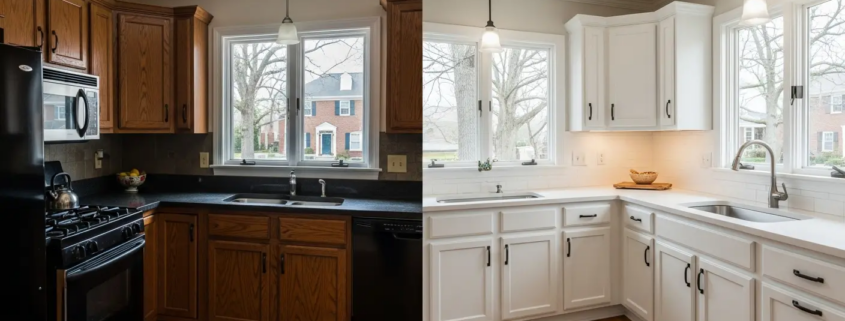
As we enter a new year, many homeowners seek ways to refresh their homes. One of the biggest transformations you can make is updating your kitchen or bathroom cabinets. But the big question remains: Should you paint your existing cabinets or replace them entirely?

Both options have advantages, and the right choice depends on your budget, cabinet condition, and design goals. Let’s break it down to help you make the best decision for your home.

When Painting Your Cabinets is the Best Choice

Painting is a fantastic option if your cabinets are structurally sound but need a cosmetic update. Here’s why painting might be the right move:

  • Cost-Effective: Painting cabinets is significantly cheaper than replacing them. A professional paint job costs a fraction of the price of new cabinetry and can make a dramatic difference.
  • Faster Turnaround: While full cabinet replacement can take weeks, painting typically takes 4-6 days, minimizing disruption to your home.
  • Endless Color Options: With a fresh coat of paint, you can completely change the look of your kitchen or bathroom. Whether you want a classic white, trendy navy, or a bold green, the options are limitless.
  • Environmentally Friendly: Reusing existing cabinets reduces waste, making painting a more sustainable option.
  • High-Quality Finishes: Modern paints like Sherwin-Williams Emerald Urethane Trim Enamel offer durable, professional-looking results that resist wear and tear.

The Best Paint for Cabinets: A Pro’s Guide to a Flawless Finish

When It’s Time to Replace Your Cabinets

While painting is a great solution for many homeowners, a complete cabinet replacement is sometimes the better choice. Consider replacing your cabinets if:

  • They’re Structurally Damaged: If your cabinets are warped, have water damage, or suffer from major wear and tear, paint won’t solve the underlying issues.
  • You Want a New Layout: If your current kitchen layout isn’t functional, replacing cabinets allows you to redesign the space for better efficiency and storage.
  • They’re Made of Low-Quality Materials: Some older cabinets are made from materials that don’t hold paint well, such as laminate or particle board.
  • You’re Going for a Completely New Look: If you want a total kitchen transformation with updated features, replacing cabinets gives you complete design freedom.

How to Decide: Key Questions to Ask Yourself

Before making a decision, consider these questions:

  • What’s my budget? If you want a cost-effective refresh, painting is the way to go. If you have the budget for a full renovation, replacing may be worth it.
  • Are my cabinets in good shape? If your cabinets are sturdy, painting is a great choice. If they’re falling apart, replacement is necessary.
  • Do I love my current layout? If the answer is yes, a fresh coat of paint can work wonders. If not, replacing cabinets gives you the chance to redesign.
  • What’s my timeline? If you need a quick update, painting is much faster than a full replacement.

Final Thoughts

Both painting and replacing cabinets have their pros and cons. If you’re looking for a cost-effective, high-impact update, painting is often the best solution. But if your cabinets are damaged or outdated beyond repair, replacement might be the better investment.

At Patrick’s Painting & Home Improvement, we specialize in professional cabinet painting that delivers a flawless, factory-like finish. If you’re unsure which option is best for your home, our team can help guide you toward the right choice.

Essential Maintenance Tips to Keep Your Home in Prime Condition Year-Round

Owning a home is a significant achievement, yet it demands consistent care to maintain its value and functionality. Regular maintenance not only prevents unexpected repairs but also ensures a safe and comfortable living environment. By focusing on key areas throughout the year, homeowners can effectively manage their property and avoid the pitfalls of neglect.

Prioritize Gutter Cleaning

Regular gutter cleaning is a critical maintenance task that you should not overlook if you want to protect your home from significant damage. When gutters are clogged, they can cause water to overflow, leading to potential flooding of your foundation and compromising the structural integrity of your home. This excess water can also seep into your walls, resulting in leaks and promoting the growth of mold, which can be both unsightly and harmful to your health. Additionally, blocked gutters create an inviting environment for pests like mosquitoes and rodents, which can lead to infestations and further damage.

Have HVAC System Inspected

Scheduling a professional HVAC inspection is crucial for ensuring that your system operates efficiently and to catch potential problems before they escalate into expensive repairs. During these inspections, experts meticulously examine each component of your heating and cooling system, identifying any signs of wear or malfunction. This proactive approach is particularly beneficial as it can prevent unexpected breakdowns during extreme weather conditions, such as the sweltering heat of summer or the biting cold of winter.

Streamline Home Maintenance with Digital Documentation

Digitizing your home maintenance documents can significantly simplify the management and accessibility of essential information. By converting physical records into digital formats, you can easily store and retrieve them whenever needed, ensuring that you never misplace critical details about your home upkeep. Saving these documents as PDFs offers the advantage of preserving the original formatting and making them universally accessible across different devices. Using a PDF maker allows you to effortlessly create or convert any document into a PDF.

Ensure Your Electrical Panel is Safe and Efficient

Conducting a thorough inspection of your electrical panel is crucial to maintaining a safe and efficient home. This involves checking that all connections are tight and secure, as loose connections can lead to overheating and potential fire hazards. Additionally, look for any signs of corrosion, which can compromise the integrity of the panel and lead to malfunctions. Regular inspections can help identify issues like these before they escalate, ensuring your electrical system operates smoothly and safely.

Uncover Hidden Basement Issues

When maintaining your home, a detailed visual inspection of the basement’s walls and floors is crucial to identify potential problems. Look for cracks, water stains, or mold, as these can be early indicators of structural weaknesses or water infiltration. Such issues, if left unchecked, can compromise the stability of your home and lead to costly repairs. By regularly examining these areas, you can catch problems early and take preventive measures, such as improving drainage or sealing cracks, to protect your investment.

Assess and Upgrade Your Home Security System

To ensure your home remains secure, it’s crucial to assess the effectiveness of your current security system and pinpoint any outdated components that may require upgrading. Begin by examining the age and durability of your existing system, as older systems might not offer the same level of protection as newer models. Consider whether your system is monitored by a service provider or if it relies on self-monitoring through phone apps, as this can impact your decision to upgrade.

Preserve Your Seasonal Decor and Furniture

Before tucking away your seasonal decor and outdoor furniture for the colder months, it’s crucial to assess their condition to prevent further damage and ensure they last for years to come. By addressing minor repairs and cleaning needs during the warmer months, you can avoid the hassle of dealing with deteriorated items when the weather turns. For outdoor furniture, different materials require specific cleaning methods, so make sure to treat each piece accordingly to remove any summer residue. Similarly, when storing holiday decorations, consider using sturdy plastic bins and climate-controlled storage to protect them from dust, pests, and temperature fluctuations.
A well-maintained home is a testament to the care and attention of its owner. By integrating these maintenance strategies into your routine, you not only protect your investment but also create a more enjoyable living space. Each task contributes to a safer and more efficient home environment, allowing you to focus on what truly matters—enjoying your home.

Curtis Fisher

tradesbright.org

Choosing the Right Flooring

A Guide to Choosing the Right Flooring for Your Interior

Flooring is the foundation of any interior design. It sets the stage for your furniture, decor, and overall aesthetic. But with a dizzying array of options available, how do you choose the best flooring for your home?

This guide explores popular flooring choices, highlighting their pros and cons to help you make an informed decision.

Hardwood Flooring: A Timeless Choice

Hardwood flooring remains a popular choice for its natural beauty, warmth, and enduring style. It complements a wide range of design aesthetics, from traditional to modern, and adds a touch of elegance to any space.

Pros:

  • Durability: Hardwood is a resilient material that can withstand years of foot traffic.
  • Variety: Choose from various wood species, colors, and finishes to match your style.
  • Timeless Appeal: Hardwood flooring never goes out of style and can increase your home’s value.

Cons:

  • Susceptibility to Moisture: Hardwood can be damaged by water and humidity, making it less suitable for bathrooms and kitchens.
  • Maintenance: Requires regular cleaning and occasional refinishing to maintain its beauty.
  • Cost: Can be more expensive than other flooring options.
  • Tile Flooring: Durable and Versatile

    Tile Floor Kitchen

    Tile flooring offers exceptional durability and water resistance, making it a practical choice for high-traffic areas and moisture-prone spaces.

    Pros:

    • Water Resistance: Ideal for bathrooms, kitchens, and entryways.
    • Low Maintenance: Easy to clean and resistant to stains and scratches.
    • Design Versatility: Available in a wide variety of colors, patterns, and styles to suit any taste.

    Cons:

  • Hardness: Can be hard and cold underfoot.
  • Installation: Can be more complex and time-consuming to install than other flooring options.
  • Potential for Cracking: Can crack or chip if heavy objects are dropped on it.
  • Laminate Flooring: Budget-Friendly and Practical

    Installing Laminate Flooring

    Laminate flooring offers the look of hardwood or tile at a more affordable price point. It’s a durable and versatile option that’s suitable for various rooms in your home.

    Pros:

    • Affordability: A cost-effective alternative to hardwood and tile.
    • Durability: Resistant to scratches, stains, and fading.
    • Easy Installation: Often comes in click-together planks for easy DIY installation.

    Cons:

    • Moisture Sensitivity: While more water-resistant than hardwood, excessive moisture can still cause damage.
    • Less Authentic Look: May not have the same visual appeal as real hardwood or tile.
    • Not Refinish-able: Cannot be sanded down and refinished like hardwood.

    Vinyl Flooring: Resilient and Water-Resistant

    Vinyl Flooring Installation

    Vinyl flooring is a popular choice for its durability, water resistance, and affordability. It comes in various styles, including sheet vinyl, luxury vinyl tile (LVT), and vinyl plank flooring.

    Pros:

    • Water Resistance: Highly resistant to water and moisture, making it ideal for bathrooms and kitchens.
    • Durability: Can withstand heavy foot traffic and resist scratches and dents.
    • Comfort: Softer and warmer underfoot compared to tile.

    Cons:

    • Susceptibility to Fading: Can fade over time with prolonged exposure to sunlight.
    • Environmental Concerns: Traditional vinyl flooring can release volatile organic compounds (VOCs). Look for low-VOC options.
    • Less Desirable than Natural Materials: May not have the same appeal as hardwood or tile.

    Natural Stone Flooring: Elegant and Unique

    Natural Stone Flooring

    Natural stone flooring, such as marble, granite, and slate, offers a luxurious and timeless look. Each stone has unique characteristics, adding character and visual interest to your space.

    Pros:

    • Durability: Extremely durable and long-lasting.
    • Unique Beauty: Each piece of stone has its own natural variations, creating a one-of-a-kind look.
    • Increased Home Value: Can significantly enhance the value of your home.

    Cons:

    • Cost: Can be one of the most expensive flooring options.
    • Maintenance: Requires regular sealing to prevent staining and damage.
    • Hardness: Can be hard and cold underfoot.

    Beyond the Basics: Handrails and Posts

    While often overlooked, handrails and posts contribute to your home’s overall aesthetic. Refinishing these elements can breathe new life into your space.

    Benefits of Refinishing:

    • Restored Beauty: Removes scratches, stains, and signs of wear.
    • Increased Longevity: Protects from further damage.
    • Updated Style: Allows you to change the color to complement your design.

    Making the Right Choice

    Choosing the right flooring involves considering your lifestyle, budget, and design preferences. Factors like foot traffic, moisture levels, and the overall style of your home should all play a role in your decision.

    Need help navigating your flooring options? Contact Patrick’s Painting & Home Improvement for expert advice and professional installation and refinishing services. Get your FREE quote today!

    Is It Time To Remodel Your Bathroom

    Is it Time to Remodel Your Bathroom? Signs You Shouldn’t Ignore.

    The bathroom is one of the most used rooms in your home, but it’s often the most neglected when it comes to updates. If you’re like many Virginia homeowners, you might be dreaming of a bathroom that’s both stylish and functional. While a complete bathroom remodel might seem like a daunting task, there are times when it’s simply necessary.

    But how do you know when it’s the right time to take the plunge and remodel? Look for these common signs:

    1. Your Bathroom is Stuck in a Style Rut:

    Let’s face it, design trends come and go. If your bathroom is sporting outdated colors, fixtures, and finishes, it might be time for a modern makeover. Think sleek lines, neutral palettes, and contemporary fixtures to create a fresh and inviting space.

    2. Damaged Fixtures are Causing Problems:

    A leaky faucet or a cracked bathtub isn’t just an aesthetic issue; it can lead to costly water damage and potential health hazards. Replacing damaged fixtures not only improves the look of your bathroom but also protects your home from further damage.

    3. Your Bathroom Lacks Functionality:

    Does your bathroom feel cramped and cluttered? Is the layout awkward and inconvenient? A remodel can address these issues by optimizing the space for better flow and functionality. Consider adding storage solutions, updating the layout, and incorporating features that make your daily routine easier.

    4. Accessibility is a Growing Concern:

    As we age, navigating a bathroom can become more challenging. If you or a loved one are experiencing mobility issues, a remodel can incorporate features like grab bars, walk-in showers, and wider doorways to improve safety and accessibility.

    5. You’re Planning to Sell Your Home:

    A well-designed bathroom can be a major selling point for potential buyers. If you’re thinking of putting your home on the market, a bathroom remodel is a smart investment that can significantly increase its value and appeal.

    Making Your Bathroom Remodel a Success

    Bathroom Remodel Work

    A successful bathroom remodel requires careful planning and execution. Here are a few key factors to consider:

    • Design Expertise: Work with experienced designers who can help you create a bathroom that meets your needs and style preferences.
    • Quality Craftsmanship: Choose a contractor with a proven track record of delivering high-quality work and using durable materials.
    • Attention to Detail: Ensure that every aspect of the remodel, from tile installation to painting, is done with precision and care.
    • Project Management: Look for a company that can handle all aspects of the project, from start to finish, to minimize stress and ensure a smooth process.

    Need help with your bathroom remodel? Patrick’s Painting & Home Improvement offers comprehensive bathroom remodeling services in Virginia. Contact us today for a free consultation.