
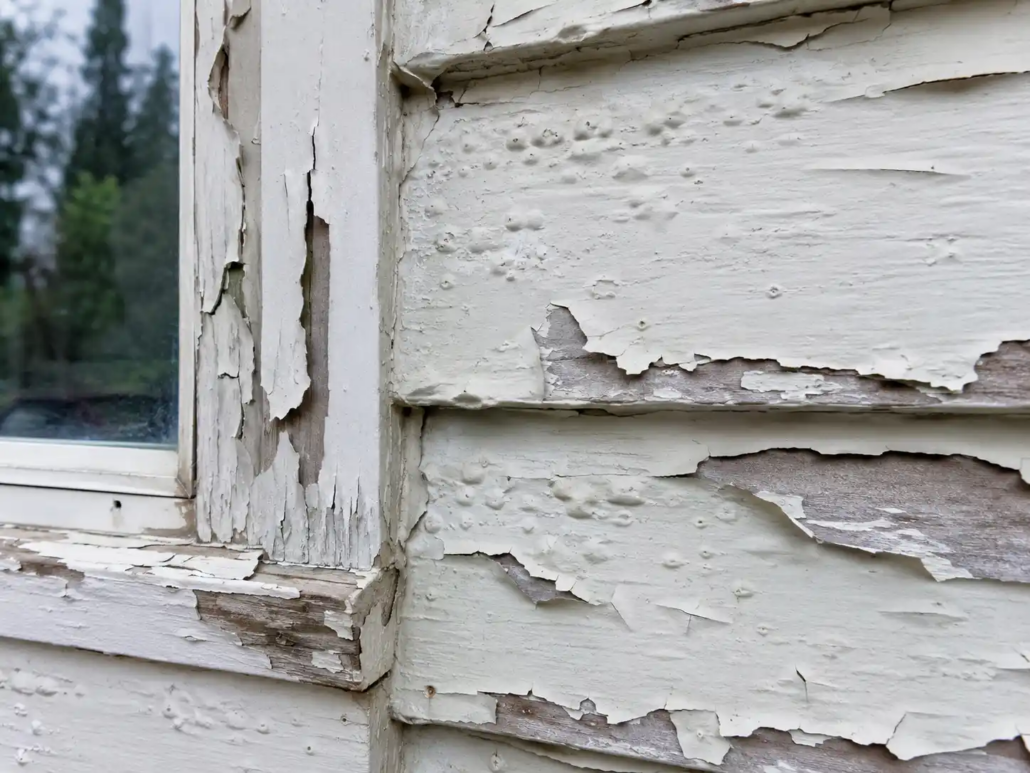
Why Paint Fails: Peeling, Bubbling, Cracking, and How to Prevent It
Fresh paint should make your home look cleaner, brighter, and better protected. But when paint starts peeling, bubbling, or cracking too soon, it usually means something went wrong before the first coat ever dried.
Paint failure is frustrating, but it is also preventable. The key is proper preparation, the right products, and professional application.
Why Paint Starts Peeling
Peeling paint happens when the paint loses its grip on the surface. This is often caused by painting over dirt, dust, chalky residue, mildew, or old loose paint.
Moisture is another major reason paint peels. If water gets behind the paint, it can push the coating away from the surface. This is common around windows, trim, siding, bathrooms, kitchens, and areas with poor ventilation.
To prevent peeling, surfaces need to be cleaned, scraped, sanded, dried, and primed when needed before painting begins.
What Causes Paint to Bubble?
Paint bubbles, also called blistering, usually happen when paint lifts from the surface. This can be caused by trapped moisture, heat, or painting in direct sunlight.
Bubbling can also happen when paint is applied too thickly or when the surface was not properly prepared. Once bubbles appear, they often need to be scraped, sanded, primed, and repainted correctly.
Why Paint Cracks
Cracking paint may start as small hairline cracks, then spread over time. This can happen when low-quality paint is used, coats are too thin, or the surface was not flexible enough for temperature changes.
On exteriors, weather plays a big role. Sun, rain, humidity, and seasonal movement can all stress the paint. That is why using the right exterior paint matters.
Prep Work Makes the Difference
A lasting paint job starts with what happens before painting. Professional prep may include washing, scraping, sanding, caulking, patching, priming, and checking for moisture issues.
Skipping these steps can lead to early failure, even with expensive paint. Good paint cannot make up for poor preparation.
How to Prevent Paint Failure
The best way to prevent peeling, bubbling, and cracking is to treat the cause before applying new paint. That means repairing damaged surfaces, addressing moisture problems, choosing the correct primer, and using quality paint made for the surface.
It also means painting under the right conditions. Temperature, humidity, and drying time all affect how well paint bonds and cures.
#PatrickSays
Paint failure is rarely just a paint problem. Most of the time, it comes down to prep, moisture, product choice, or application. If your home has peeling, bubbling, or cracking paint, do not just cover it up. Fix the issue first so the new finish can last.